Cranberry Walnut Sourdough for Thanksgiving: No More Burnt Fruit
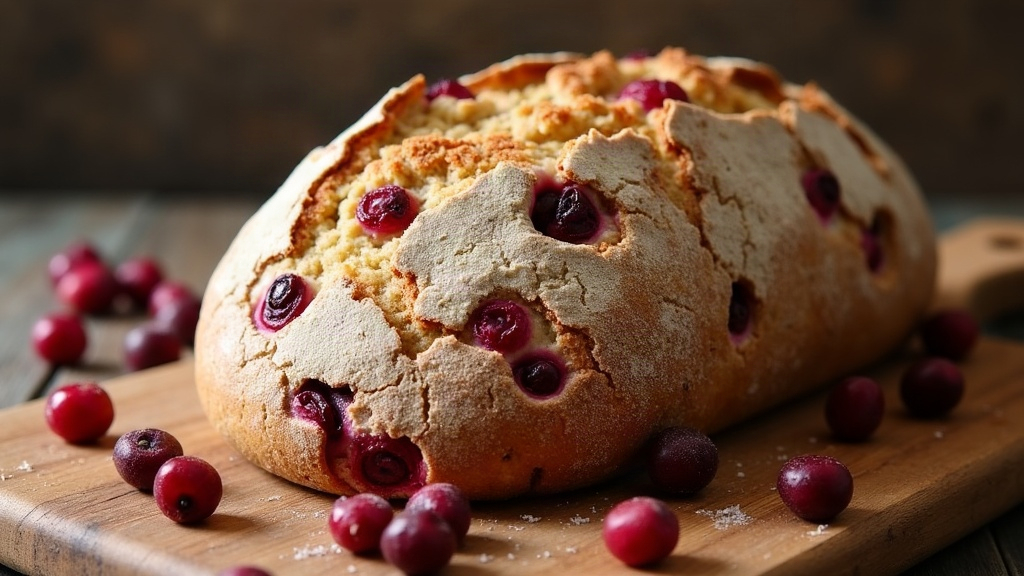
Cranberry walnut sourdough shows up on more Thanksgiving request lists than almost any other bread, and for good reason. It’s also notorious for landing on the table with blackened, bitter flecks of fruit stuck to the crust. Here’s the good news: burnt cranberries aren’t inevitable. Get the hydration, fruit prep, and shaping right, and you’ll end up with a loaf where the cranberries sit jewel-toned inside the crumb, not charred on top.
Why Cranberries Burn in Sourdough
Dried cranberries carry a lot of natural sugar, and sugar caramelizes (then scorches) way faster than plain flour dough does. Three culprits usually explain the problem:
- Surface exposure: fruit sitting on the outside of the loaf takes the full blast of oven heat with nothing shielding it.
- High oven temperatures: sourdough typically bakes at 450–500°F (232–260°C) in a Dutch oven. That’s hotter than most fruited breads can tolerate.
- Uneven mixing: if cranberries clump near the surface while you’re shaping, they tend to poke through the skin during the final proof and then burn in the oven.
Step 1: Rehydrate the Cranberries First
Dry, brittle cranberries steal moisture from the dough and burn faster, simply because they’re already dehydrated going in. Soak them in warm water for 10 to 15 minutes, drain well, then pat them dry with a kitchen towel. Want more Thanksgiving flavor? Swap the water for warm orange juice or a splash of apple cider. It adds a quiet sweetness without dumping in extra sugar.
Tip: Don’t skip the pat-dry step. Wet fruit straight out of the soak will mess with your dough’s hydration, making it sticky and a pain to shape.
Step 2: Fold Fruit In During Lamination, Not at the Very End
A lot of home bakers just dump cranberries and walnuts on top of the dough right before shaping. That pushes the fruit toward the surface, which is exactly the problem. Try this instead:
- Mix your base dough and let it rest through one or two stretch-and-folds.
- On the second or third fold, laminate the dough into a rectangle and scatter the cranberries and chopped walnuts evenly across it.
- Roll or fold the dough back onto itself so the fruit ends up fully encased, not just sitting on top.
This spreads the fruit through the interior, where surrounding dough insulates it and scorching becomes much less likely.
Step 3: Shape with a “Fruit-Free Skin”
When you do your final shaping (boule or batard), gently pull the outer layer of dough taut over the loaf. Any cranberries that drifted toward the surface during bulk fermentation need to get tucked under, not left hanging out. Spot a cranberry poking through? Just press a small flap of dough over it before it goes into the banneton.
Step 4: Lower the Oven Temperature Slightly
Standard sourdough recipes often call for 475–500°F. For fruited loaves, pull that down by 25°F:
- Covered bake (Dutch oven lid on): 450°F for 20 minutes
- Uncovered finish: 425°F for 20–25 minutes, watching closely after the 15-minute mark
The covered phase traps steam, which keeps the crust soft and holds off early caramelization of any fruit near the surface. That slightly lower uncovered temperature still gets you a golden crust, just without torching the cranberries.
Step 5: Watch the Last 10 Minutes Closely
This is where most of the damage happens. Once the lid comes off, check the loaf every 3 to 4 minutes. See cranberries darkening too fast on top? Tent that spot loosely with a small piece of foil for the rest of the bake.
Bonus: Adjust Walnut Placement Too
Walnuts scorch and go bitter just as easily as cranberries. Toast them lightly first, 350°F for about 8 minutes, before folding them into the dough. This deepens their flavor and, since some of their oils have already released, makes them less likely to burn later.
Quick Troubleshooting Checklist
- Cranberries too dry before mixing? → Soak and drain them first.
- Fruit visible on the crust before baking? → Tuck it under during final shaping.
- Oven too hot? → Drop by 25°F for fruited doughs.
- Fruit burning in the last 10 minutes? → Tent with foil immediately.
- Walnuts tasting bitter? → Toast lightly beforehand, don’t add raw.
Final Thoughts
Cranberry walnut sourdough can absolutely be the showstopper of your Thanksgiving bread basket: tangy, nutty, studded with ruby-red fruit, and none of the scorched, bitter bits that scare people off from making it in the first place. None of the fixes here are complicated. Rehydrate your cranberries, fold them in during lamination, shape with a clean outer skin, bake slightly cooler, and keep an eye on it during that final stretch. Do it once and it sticks. Every holiday loaf after that gets easier.