How to Bake Seeded Sourdough Batards Without Seeds Falling Off
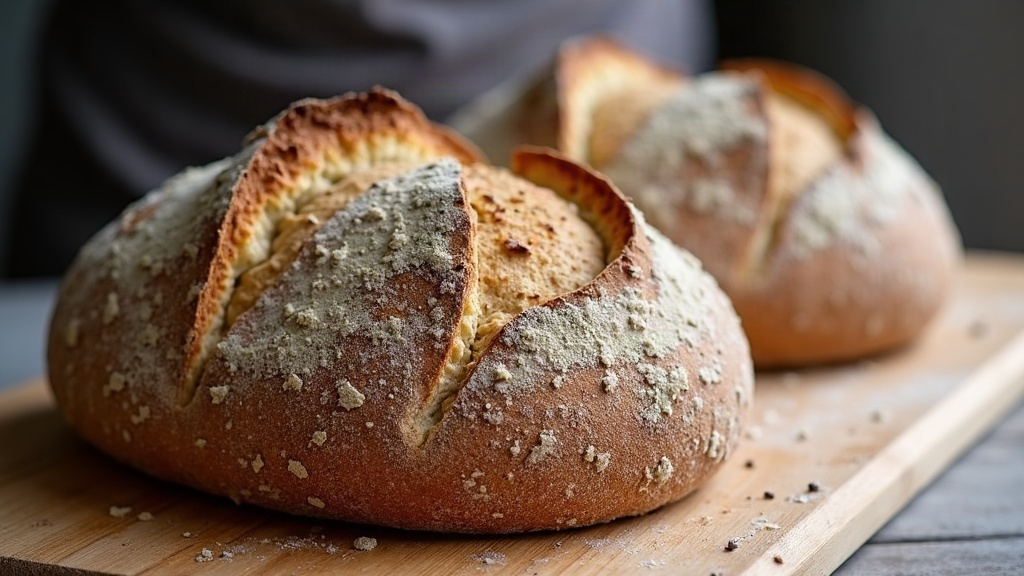
If your seeded sourdough batards come out of the oven with sesame, oats, or flax scattered across the baking stone instead of clinging to the crust, the fix usually comes down to three things: moisture control at the surface, picking the right adhesion method before baking, and handling the loaf carefully during scoring and loading. Nail those three, and you’ll pull out a batard with a seed coat that stays put from the first slice to the last crumb.
Why Seeds Fall Off in the First Place
Seeds don’t just fall off at random. There’s always a mechanical reason behind it:
- Dry surface tension: A dough skin that’s too dry has nothing to grip the seeds with. Think of it like trying to stick gravel to a sidewalk with no mortar.
- Seeds applied too late: Roll the shaped loaf in seeds right before baking and they’ll sit loosely on top instead of bonding into the gluten structure underneath.
- Over-handling during scoring: Aggressive lame strokes or pressing fingers near seeded edges knocks seeds loose before the loaf even hits the oven.
- Steam timing issues: Blast too much steam too fast and you get condensation beading up on the crust, washing seeds toward the edges of the loaf.
Step 1: Choose the Right Adhesion Method
There are two reliable ways to get seeds to stick, and which one you pick depends on your shaping style.
Wet-Surface Rolling
After final shaping, lightly mist the batard with water (a spray bottle beats dunking every time) and roll it straight into a tray of seeds. That thin water layer works like glue without soaking the dough, which would turn the surface gummy and slack.
Rice Flour and Seed Paste
Want a heavier seed coat, something like a multi-seed topping with flax, poppy, sunflower, and oats? Mix a little water with rice flour into a thin paste and brush it onto the shaped loaf before rolling in the seeds. This bonds harder than water alone and survives the bake much better.
Step 2: Time the Seeding Correctly
Seed right after shaping, not after the final proof. Seeds applied post-shaping get folded into the surface tension as the dough relaxes and expands slightly during proofing. That locks them in mechanically, not just through adhesion.
- Shape the batard with firm but gentle tension.
- Mist or apply the paste right away, no waiting.
- Roll in seeds on a sheet pan or clean counter.
- Transfer to your proofing basket seam-side up (seeded side down) so the crust stays protected during the final rise.
Step 3: Score Carefully Around Seeded Areas
Scoring is where most home bakers lose seeds for no good reason. A few small adjustments fix this:
- Hold a sharp lame at a shallow 30-degree angle. This slices through the crust cleanly instead of dragging seeds sideways.
- Score in one confident pass, not a sawing motion back and forth.
- If the seed coat is thick, score slightly off-center from the heaviest clusters, or plan your pattern (a single ear-producing slash, for example) so you’re not cutting straight through dense seed zones.
Step 4: Control Steam and Oven Loading
Loading technique matters nearly as much as how well the seeds stuck in the first place:
- Move the loaf gently with a peel or sling. No flipping, no jostling.
- Load it into a preheated Dutch oven or onto a steaming stone with as little contact friction as possible.
- Keep moderate steam for the first 15 to 20 minutes, then let it go. Too much steam for too long softens the seed coat, and once the crust starts setting, seeds can slide right off it.
Bonus Tip: Toast Your Seeds First
Toast your seeds lightly before applying them, especially sesame and sunflower. This does two things at once: it deepens the flavor, and it dries the seed surface just enough to bond better with a moist dough skin. Raw, oily seeds actually adhere worse.
Troubleshooting Quick Reference
| Problem | Likely Cause | Fix |
|---|---|---|
| Seeds fall off before baking | Dough too dry when rolled | Mist again before transferring to basket |
| Seeds slide during bake | Too much steam too long | Shorten steam phase to 15 minutes |
| Seeds missing near score lines | Lame dragging during scoring | Use sharper blade, shallower angle |
| Patchy seed coverage | Uneven paste application | Brush rice flour paste evenly before rolling |
Final Thoughts
A seeded sourdough batard with a flawless, intact crust isn’t luck. It comes down to timing the seed application to hit peak dough tackiness, adding a light adhesive layer when the topping calls for it, and handling the loaf gently all the way through scoring and baking. Get this sequence dialed in once, and you’ll get bakery-quality seed coverage on every loaf, every seed exactly where you put it.