Freshly Milled Sonora Wheat Sourdough: Stop the Spread
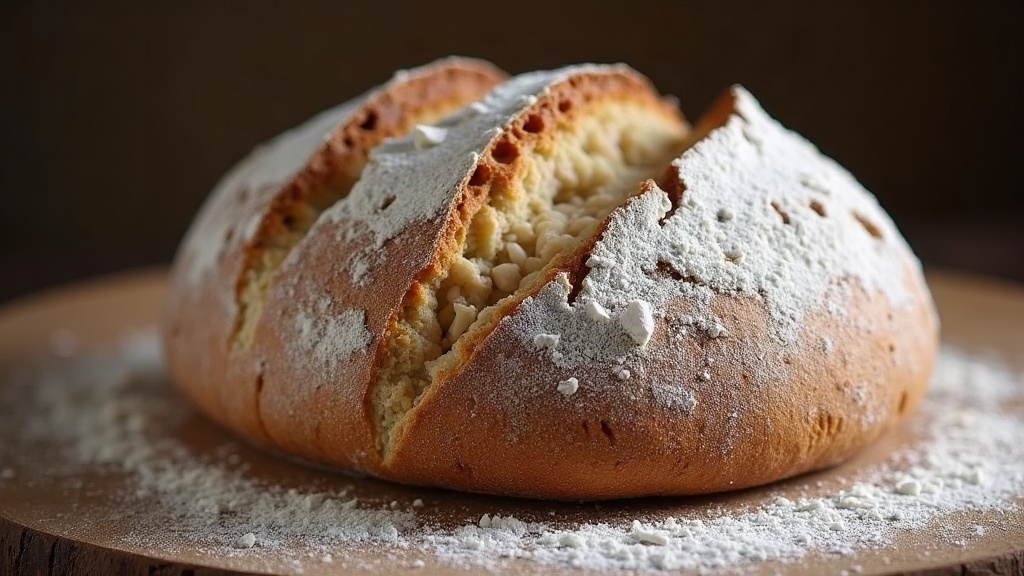
Why Sonora Sourdough Spreads Flat (And How to Fix It)
White Sonora wheat is one of the oldest cultivated wheat varieties in North America, and bakers love it for a reason: soft, sweet, low-protein flour with a flavor nothing like supermarket bread flour. But here’s the catch. That same tenderness is exactly why freshly milled Sonora sourdough has a bad habit of spreading into something closer to a pancake than a loaf. Good news though: with the right hydration, the right fermentation timing, and a shaping technique suited to weak dough, you can get a nicely domed loaf that still tastes like Sonora.
Why Sonora Wheat Spreads More Than Modern Bread Flour
Sonora wheat usually sits at 9-11% protein. Compare that to 12-14% for a standard bread flour, and the gap explains almost everything that goes wrong in the oven. Less protein means less gluten potential, and that shows up in three ways:
- Weaker gluten network. Not enough structure to trap gas or fight gravity.
- High extensibility, low elasticity. The dough stretches like taffy but refuses to spring back.
- Fast fermentation. Freshly milled flour feeds wild yeast and bacteria hard. Overproofing sneaks up before you even notice.
Milling it fresh makes things worse, not better. The bran is sharp enough to shred developing gluten strands, and the germ’s enzymes and oils speed fermentation along while softening the dough even further.
Hydration: Less Is More With Fresh Sonora Flour
Don’t hydrate this dough the way you would a 12%+ protein bread flour (75-80%). It won’t end well. Instead:
- Start at 65-70% hydration for your first attempts.
- Bump it up in small 2-3% increments, and only once shaping and timing feel solid.
- Give the bran time to drink in water. A 30-60 minute autolyse before adding starter and salt makes a real difference, since freshly milled flour hydrates slowly.
A wetter dough just has less backbone to resist spreading. With gluten this weak, that backbone matters more than usual.
Build Strength With Technique, Not Just Flour
You can’t lean on gluten alone here, so mechanical strength-building has to pick up the slack.
1. Extended Autolyse or Fermentolyse
Mix flour and water first, rest it 45-60 minutes, then add starter and salt. This gives enzymes a window to work on the bran without wrecking the dough’s structure later.
2. Frequent, Gentle Folds
Skip the aggressive stretch-and-folds you’d do every 30 minutes with bread flour. Go for shorter, gentler coil folds every 20-30 minutes instead. Four to six rounds is plenty. Fold too much and you’ll tear the delicate strands you’re trying to build.
3. Shorter Bulk Fermentation
Fresh Sonora moves fast. Watch the dough itself, not a timer:
- Aim for roughly 30-40% rise, not the 50-75% you’d expect from bread flour.
- Pull it before it turns jiggly or the edges start sagging and collapsing.
4. Cold Retard for Structure
A long, cold proof (12-16 hours at 38-40°F) firms everything up, slows enzyme activity down, and makes the next morning’s shaping much easier to handle.
Shaping for Height, Not Width
- Shape tighter than you normally would. Weak dough needs extra surface tension to stand a chance.
- Use a snug, well-floured banneton. Too roomy a basket just gives the dough space to relax outward while proofing.
- Skip the long bench rest. Shape soon after preshaping so you don’t lose the tension you just worked to build.
- Score shallow, straight down the middle. An aggressive score can collapse a structure this delicate in seconds.
Baking Tips That Help Oven Spring
- Bake inside a preheated Dutch oven or combo cooker. The trapped steam supports early rise before the crust has a chance to set.
- Load the dough straight from the fridge, cold. That firmness helps it hold its shape until the crust locks in.
- Start hot, 480-500°F for the first 15-20 minutes, then drop the temperature to finish.
Blending for Balance
Even with perfect technique, a lot of bakers find 100% fresh Sonora a tough sell. A practical compromise:
- 50-70% Sonora, 30-50% a stronger bread flour (freshly milled hard wheat or something off the shelf).
- You keep Sonora’s sweetness and tender crumb, but gain enough gluten backbone to get real height.
Final Thoughts
Fresh-milled Sonora rewards patience, not force. Lower hydration, gentler folds, shorter fermentation windows, tighter shaping: these are the adjustments that make up for naturally weak gluten. And if you’re still learning the dough’s rhythm, blending in a stronger flour is a smart safety net, not a cop-out. Get these details right and you’ll end up with a tall, tender, nutty-sweet loaf that makes all the extra care worth it.