Sourdough vs Poolish for Soft Hamburger Buns: Which Wins?
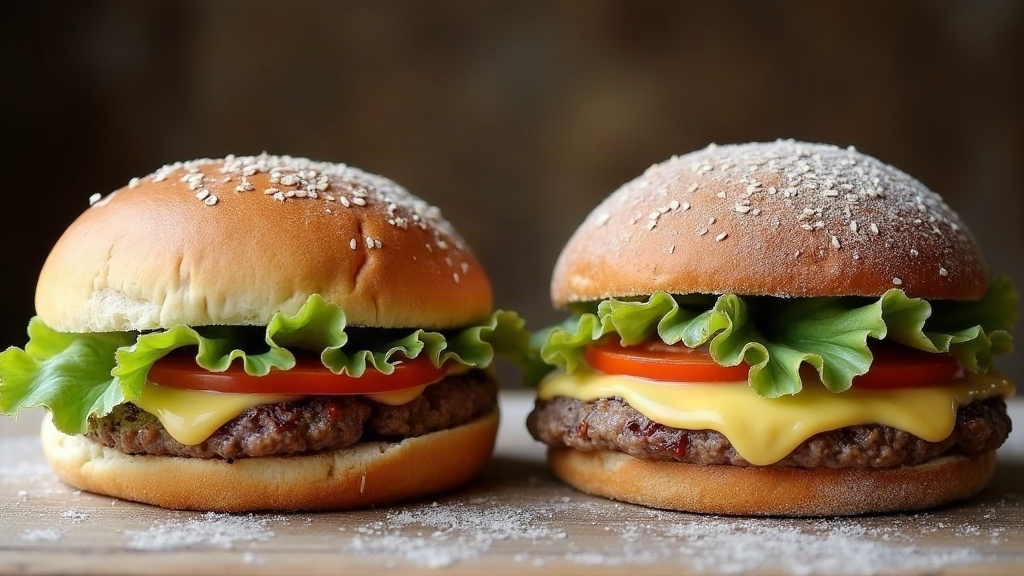
Sourdough vs. Poolish for Hamburger Buns: Which One Actually Wins at a Cookout?
If you’re stuck deciding between sourdough and poolish for soft hamburger buns, here’s the quick verdict: poolish wins on speed, consistency, and that classic pillowy cookout bun. Sourdough wins on flavor depth and shelf life, if you’re willing to plan a few days ahead. Both preferments beat a straight, no-preferment dough by a mile, but they solve different problems. For a backyard cookout where timing and crowd-pleasing softness matter most, the “right” answer isn’t nearly as clean as bread forums make it sound.
What Each Preferment Actually Does
Poolish: The Speed-and-Softness Option
Poolish is a 100% hydration mix (equal parts flour and water by weight) with a small pinch of commercial yeast, left to ferment for 8 to 16 hours at room temperature. Because it relies on commercial yeast instead of wild yeast, fermentation behaves itself. Mix it tonight, and you know roughly what you’ll get tomorrow.
- Flavor: Mild, a little nutty, faintly sweet. It rounds out wheat flavor without adding any tang.
- Texture: Poolish breaks gluten down slightly during fermentation, which loosens the dough and makes it more extensible. That’s exactly what gives you the tender, pillowy crumb people expect from a good hamburger bun.
- Timing: Mix it the night before, bake the next afternoon. Honestly, it’s hard to mess up.
Sourdough: The Flavor-and-Keeping-Quality Option
A sourdough starter runs on wild yeast plus lactic and acetic acid bacteria. Fermentation is slower, and a lot less predictable, especially if your starter isn’t firing on all cylinders.
- Flavor: Noticeably tangier and more layered, with a faint sourness that can actually clash with sweet burger sauces if you overdo it.
- Texture: The acids tighten the gluten structure a bit, so buns can come out slightly denser or chewier unless you compensate with an enriched dough (milk, butter, egg) and a patient proof.
- Shelf life: Those same organic acids act as a natural preservative. Sourdough buns typically stay fresh and mold-free 1 to 2 days longer than poolish buns, which matters if you’re prepping for a long weekend of grilling.
Side-by-Side for Cookout Use
| Factor | Poolish | Sourdough |
|---|---|---|
| Softness | Excellent, consistently pillowy | Good, needs enrichment to match poolish |
| Flavor | Mild, wheat-forward | Tangy, complex |
| Prep time | 8-16 hrs, predictable | 12-24+ hrs, variable by starter strength |
| Reliability | High (commercial yeast) | Moderate (depends on starter health) |
| Shelf life | 1-2 days at room temp | 2-4 days at room temp |
| Best for | Same-day large batches | Make-ahead, multi-day events |
Which Should You Choose for a Cookout?
Choose poolish if:
- You need guaranteed soft, fluffy buns that won’t compete with ketchup, mustard, or barbecue sauce.
- You’re baking the morning of, or the night before, and you want the timing to just work.
- You don’t keep a sourdough starter and don’t feel like babysitting one under deadline pressure.
Choose sourdough if:
- You’re prepping buns 2 to 3 days out and need them to hold up without refrigeration.
- You want a bun with enough character to stand up to bold toppings, think caramelized onions, blue cheese, or smoked brisket.
- You already maintain an active starter and genuinely like that deeper fermented flavor.
A Practical Hybrid Approach
A lot of professional bakers split the difference: they add a small percentage of sourdough starter (10 to 15% of total flour weight) alongside a touch of commercial yeast. That combo gets you:
- A faster, more reliable rise than pure sourdough
- A subtle background tang that doesn’t tip into sourness
- The enriched-dough softness poolish bakers chase
This hybrid works especially well for cookouts because it hedges against two risks at once: an unpredictable starter on one side, and a flat, flavorless poolish bun on the other.
Tips for Either Method
- Enrich the dough with milk, egg, and butter or oil no matter which preferment you use. Honestly, enrichment matters more for softness than the preferment choice does.
- Proof buns until they pass the poke test (press gently, the dent should spring back slowly) before they go in the oven.
- Brush with egg wash for shine, and hit them with a touch of melted butter right out of the oven for extra tenderness.
- Slice and freeze extras. Both bun types reheat nicely wrapped in foil at 300°F (150°C) for about 10 minutes.
Final Take
For a typical cookout, where softness and predictable timing matter more than anything else, poolish is the safer bet. For flavor complexity and the convenience of baking ahead, sourdough earns its extra effort, especially if your starter is dependable. Want both? A small sourdough inoculation mixed with commercial yeast gets you soft, flavorful buns without the guesswork. At the end of the day, the real trick to a great hamburger bun isn’t the preferment by itself. It’s pairing it with a properly enriched dough and giving it the time to proof right.