Windowpane Test: A First-Time Guide to Sourdough Dough Strength
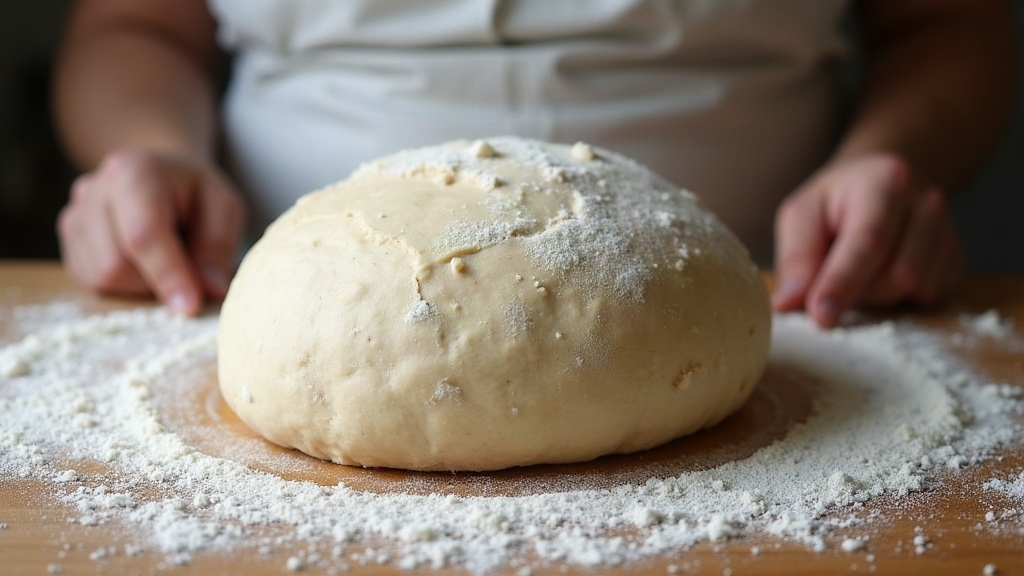
The windowpane test is a quick, hands-on way to check whether your sourdough has built enough gluten strength to trap gas and rise the way it should. Pinch off a small piece of dough and stretch it gently between your fingers until it’s thin enough to see light through, like an actual windowpane. If it pulls into a thin, see-through sheet without tearing, you’re good to go. If it rips before getting thin, it needs more time or more strength-building work.
Why the Windowpane Test Matters
Gluten is what gives sourdough its elastic backbone. During bulk fermentation, that network forms through a mix of hydration, time, and physical handling (folds, stretches, the occasional knead). The windowpane test gives you something concrete, a visual and tactile checkpoint, so you’re not just guessing whether the dough is ready to shape or still has work to do.
Skip this step and you’re flirting with one of the most common beginner mistakes: dense, flat, gummy loaves. Shape dough too early and it simply won’t have the muscle to hold its rise.
How to Perform the Windowpane Test, Step by Step
- Wash and lightly flour your hands. Wet dough sticks and tears prematurely. Too much flour stiffens it and gives you a false “weak” reading.
- Pull off a golf-ball-sized piece from the edge of the dough mass, not from the spot you just folded.
- Flatten it slightly into a small disc using your palms.
- Stretch gradually, fingers and thumbs doing the work, rotating the piece as you pull outward in every direction, like you’re opening a tiny parachute.
- Hold it up to a light source. You’re looking for a thin, even membrane that light passes through.
What You’re Looking For
- Pass: The dough stretches thin, nearly translucent, and holds together at the edges without splitting right away.
- Fail: It tears into a jagged hole well before thinning out, or it just crumbles instead of stretching.
- In-between: Some give, a bit of thinning, but it rips with a ragged edge. Usually that means “almost there.”
Reading the Results Correctly
A Strong Windowpane
A sample that stretches into a smooth, elastic sheet tells you the gluten network is well built. That’s your cue that the strength-building phase of bulk fermentation is basically finished, and the dough is ready to move toward final shaping, assuming it’s also shown proper volume increase and jiggle.
A Weak or Torn Windowpane
A tear that comes too soon just means more development is needed. That doesn’t necessarily mean more kneading. Often it just means more time, more folds, or both. Give the dough another 30 to 45 minutes, run a couple more coil folds, and test again.
Common Misreads for Beginners
- Testing too early in bulk fermentation. Gluten builds up gradually. Test within the first hour and you’ll almost always fail, and that’s completely normal.
- Using dough that’s too cold. Cold dough is stiffer and tears more easily even when the gluten is actually fine. Let your test piece warm up at room temperature for a minute before stretching it.
- Overworking the sample. Pull too aggressively or unevenly and you create thin spots that tear regardless of real gluten strength. Stretch slowly, stretch evenly.
How Flour and Hydration Affect the Test
- High-hydration doughs (80% and up) feel slack and can seem weaker than they really are. Judge by translucency, not firmness.
- Whole wheat and rye blends have less gluten-forming protein and more bran, which cuts through strands. A textbook windowpane might be unrealistic here. Aim for “mostly thin, a few minor tears” instead.
- Bread flour vs. all-purpose flour: bread flour’s higher protein content makes the test more reliable, and the results more obvious.
When to Skip the Windowpane Test
If you’re running a long, cold bulk fermentation (overnight in the fridge) or a no-knead, autolyse-heavy method, gluten develops slowly and mostly on its own. In these cases, lean more on the poke test (the dough springs back slowly, leaving a slight dent) and watch the visual volume increase, checking the windowpane only occasionally rather than every hour.
Quick Troubleshooting Checklist
- Dough tears immediately → under-developed, needs more folds/time
- Dough tears with a smooth edge → close, one more fold set
- Dough stretches thin and holds → ready to shape
- Dough feels tough and won’t stretch at all → may be over-fermented or too cold; let it relax a few minutes
Final Thoughts
The windowpane test turns something abstract, gluten development, into something you can actually see and feel with your own hands. For first-time sourdough bakers, it’s one of the fastest routes to building real intuition about dough readiness. It cuts down the guesswork and helps you turn out loaves with better rise, crumb, and structure, bake after bake. Run the test a few times per session, and within a handful of loaves you’ll start recognizing dough strength almost by touch alone.