Rye vs Whole Wheat Flour: Which Feeds a Faster Starter Peak?
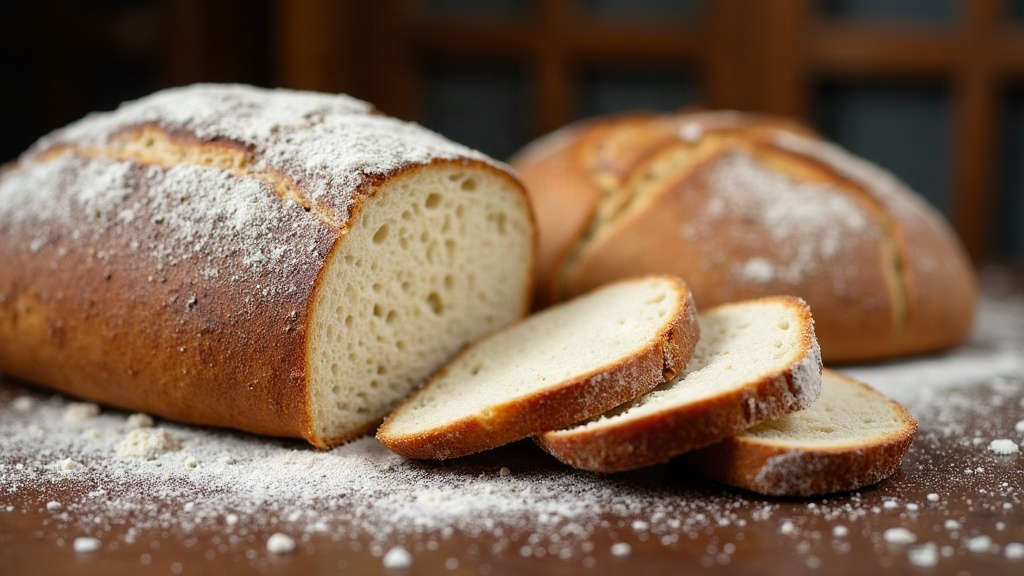
If you want your starter to peak faster, rye flour beats whole wheat, hands down. It’s not even close. Rye carries more active enzymes, richer minerals, and sugars that are easier for yeast and bacteria to get at right away. Swap in rye and you can shave several hours off your peak time compared to whole wheat. Here’s the breakdown of why that happens, and how to actually put it to use in your kitchen.
Why Flour Choice Affects Peak Speed
A starter “peaks” the moment fermentation gas builds up enough to push it to its highest rise, right before gravity wins and it starts to sink back down. How fast you get there depends on two things: how much food is sitting in that flour, and how quickly your resident yeast and bacteria can chew through it. The flour you choose sets both of those variables.
Rye Flour: The Speed Champion
Ask any baker who’s worked with rye and they’ll tell you the same thing: it wakes a starter up fast. Here’s what’s going on chemically:
- Higher amylase enzyme levels. These enzymes chop starches into simple sugars almost immediately, so yeast doesn’t have to wait around for food.
- More soluble fiber and pentosans. They grab water and loosen up the dough, creating an environment where fermentation moves quicker.
- Denser mineral content (magnesium, phosphorus, among others). Think of these as vitamins for your microbial culture, they keep metabolism humming.
In real kitchen terms: feed a starter 100% rye at a 1:1:1 ratio (starter:flour:water), and at room temperature (around 75°F/24°C) you’re often looking at a peak in just 4 to 6 hours. Compare that to 8 to 10 hours with plain all-purpose flour, and the difference is hard to ignore.
Whole Wheat Flour: Strong but Slower
Whole wheat isn’t a slouch either. The bran and germ bring extra nutrients and wild yeast to the party, so it does outperform refined white flour. But it typically lags 1 to 3 hours behind rye, and there are a few reasons why:
- The bran itself is coarser and less soluble, so nutrients take longer to release.
- Wheat’s natural amylase activity just doesn’t match rye’s.
- Gluten forms a tighter network early on, which can trap gas less efficiently than rye’s looser structure.
Under similar conditions, expect a 100% whole wheat starter to hit its peak somewhere around 6 to 8 hours.
Side-by-Side Comparison
| Factor | Rye Flour | Whole Wheat Flour |
|---|---|---|
| Peak time (75°F room) | 4-6 hours | 6-8 hours |
| Enzyme activity | Very high | Moderate |
| Flavor profile | Earthy, tangy, slightly sour | Nutty, mild sourness |
| Hydration behavior | Sticky, absorbs water fast | Firmer, more structured |
| Best use case | Rescuing sluggish starters, quick builds | Everyday maintenance, flavor balance |
How to Use Rye for Faster Peaks
Got a sluggish starter, or need a same-day levain because you forgot to plan ahead (we’ve all been there)? Try this:
- Discard down to 20-30g of starter.
- Feed with a 1:2:2 ratio using dark rye flour (starter:rye:water).
- Keep it somewhere warm, ideally 78-82°F (26-28°C). A proofing box works, or just use the oven with the light on.
- Start checking around the 4-hour mark for a doubled or tripled volume, a domed top, and a bubbly surface.
This trick is basically a lifesaver when you’re dealing with a sluggish or underfed starter. Rye’s enzymatic kick can bring it back within a feeding or two, sometimes overnight.
Should You Switch Permanently to Rye?
Probably not, and here’s why. An all-rye starter tends to turn very sour and a bit runny, which doesn’t suit every bread you might want to bake. Instead, a lot of experienced bakers run a hybrid setup:
- Keep your daily starter on whole wheat, or a wheat/rye blend, for a more balanced flavor and workable structure.
- Only pull out a small rye-fed portion (call it a “rye levain”) when speed actually matters, like same-day baking or reviving something that’s gone dormant.
One blend that hits a nice middle ground is 70% white flour, 20% whole wheat, 10% rye. It peaks noticeably faster than straight white flour, but it doesn’t go overboard on hydration or sourness the way pure rye can.
Quick Troubleshooting Tips
- Starter turned runny after a rye feeding? Cut the hydration back a touch, try 1:1:0.75 instead.
- Peaking too fast and collapsing before you can grab it? Move it somewhere cooler (68-70°F). You still get rye’s speed boost, just with a bit more breathing room.
- Smells unusually sharp or acidic? That’s just rye being rye. Feed more often, every 12 hours instead of 24, and the acidity stays in check.
Conclusion
Rye consistently beats whole wheat for peak speed, thanks to its enzyme punch and mineral density, often cutting fermentation time by 2 to 4 hours. Whole wheat still earns its keep for everyday maintenance and a more rounded flavor, but when you need things to move fast, rye is the tool to reach for. Play around with different blends until you land on the mix of speed, flavor, and structure that actually fits how you bake.