Using Rice Water in Sourdough Starter: What to Expect
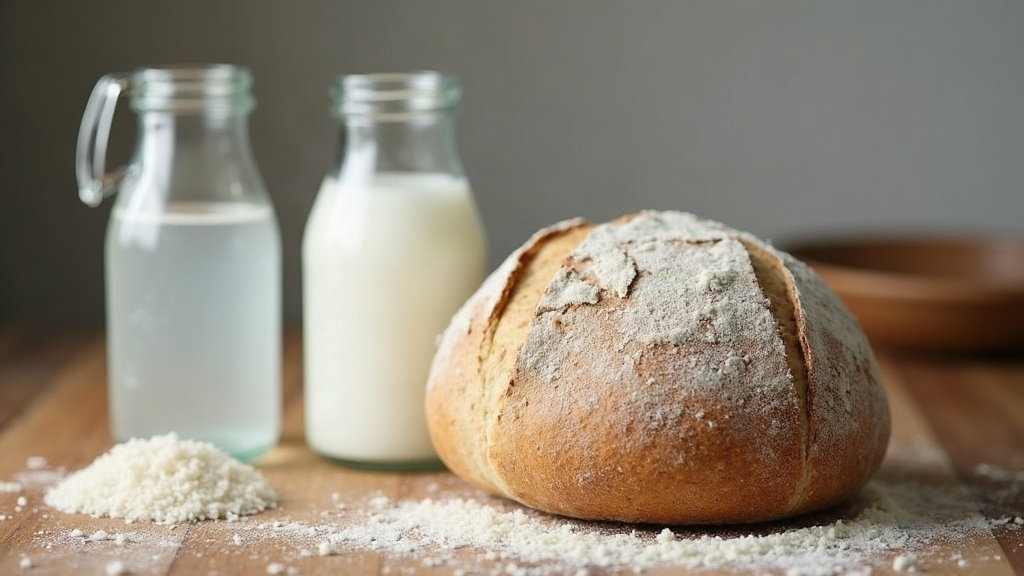
Using rice water in your sourdough starter can genuinely wake things up, but how much depends on how concentrated the water is, what temperature you’re working at, and how often you feed it that way. The starch and trace sugars left over after rinsing or soaking rice give wild yeast and lactic acid bacteria something extra to chew on. In practice this often means faster fermentation, a mellower tang, and a faint grain-like smell in the finished dough. Push it too far, though, and you’ll end up with a starter that’s loose, unpredictable, and peaks before you’re anywhere near ready to bake.
What Is Rice Water?
Rice water is simply the cloudy liquid you’re left with after rinsing, soaking, or cooking rice. For sourdough purposes, skip the cooked version and go with uncooked rice rinse water instead:
- Rinse plain white or brown rice briefly, just enough to knock off surface dust.
- Cover it with fresh water and let it sit for 20 to 30 minutes.
- Strain the cloudy liquid into a clean jar.
- Use it that same day, ideally once it’s back to room temperature.
What you end up with is water carrying suspended starch and a small amount of nutrients pulled from the rice. It’s not sweetened rice milk, not the salty water from cooking rice for dinner, and definitely not liquid from a seasoned rice product. Keep salt, oil, sugar, vinegar, and anything else out of it. Those additions will muddy your results and can genuinely weaken the starter.
How Rice Water Changes Starter Hydration
Hydration just describes the ratio of flour to liquid by weight. A starter at 100% hydration has equal parts flour and water, say 50 grams of each.
Rice water acts mostly like plain water, so weigh it the same way you’d weigh water in your usual feeding. The suspended starch does make the mix feel a bit thicker right after mixing, though. Give it a few hours and that changes: as enzymes and microbes break the starch down, the starter can actually end up looser than you expected.
A Simple First Test
Don’t touch your main starter for this. Set up a small test jar instead:
- 20 grams active sourdough starter
- 40 grams flour
- 40 grams rice water
And a control jar right next to it:
- 20 grams active sourdough starter
- 40 grams flour
- 40 grams plain filtered water
Snap a rubber band around each jar at the starting level so you can actually see the difference. Then check back over the next 6 to 12 hours: rise speed, smell, texture, how high each one peaks.
This side-by-side comparison beats relying on memory every time. Room temperature alone can shift your results by hours, and flour type and how mature your starter is will throw things off too.
Does Rice Water Make Sourdough Starter Ferment Faster?
Usually, yes. Not guaranteed, but usually. The easy-access carbs in rice water tend to kick off microbial activity earlier than plain water would. A healthy starter fed rice water might peak one to three hours ahead of its normal schedule, which is a bigger swing than it sounds like when you’re timing a bake around it.
Watch for these signs that fermentation has picked up:
- Volume climbing faster than usual
- More bubbles clinging to the jar walls
- A domed top forming before peak
- A mild fruity, creamy, or cereal-like smell
- Collapse happening sooner after the peak
Here’s the catch: faster isn’t automatically better. If your culture shoots up and deflates before you’ve even shaped your dough, that’s a scheduling problem, not a success. Fix it by loosening the feeding ratio. Go with 1:3:3 or even 1:4:4 by weight instead of the standard 1:1:1. More fresh flour and liquid means more food to work through, which buys you extra hours before peak.
Flavor Results in Bread
Don’t expect your bread to taste like rice. The effect is subtle, more of a mood shift than a flavor change, and it’s most noticeable with white rice water. What bakers actually report:
- A gentle toasted-grain aroma in the crust
- A touch less sharpness in the sourness
- A crumb that reads as softer
- A faint sweetness, depending on how long fermentation ran
Brown rice water leans nuttier. Jasmine or basmati rice water can carry a whisper of floral character, the kind of thing you’d only catch if you were paying close attention. And honestly, any of these nuances can vanish entirely in a loaf loaded with rye, whole wheat, seeds, garlic, cheese, or spice mixes.
If you actually want to taste the difference, bake it plain: a simple country loaf with just bread flour, water, salt, and levain. Anything more complicated and the rice water’s contribution gets buried.
Best Practices for Safe, Reliable Results
Rice water spoils faster than plain tap water. Treat it like a perishable, not a pantry staple.
Use It Fresh
Mix it up right before you feed the starter, not the night before. If you must refrigerate it, keep it covered and use it within 24 hours, no longer. If it starts smelling off, turns slimy, or changes color, toss it and start over.
Keep the Experiment Small
Resist the urge to convert your whole starter on day one. Keep your plain-water mother starter running as a backup, and run the rice water version in a separate jar. That way, if the rice water culture goes sideways, your regular baking schedule isn’t affected.
Watch the Temperature
Aim for rice water that’s close to room temperature. Ice-cold liquid stalls fermentation, and hot liquid can straight-up kill off yeast and bacteria. A starter sitting around 72 to 78°F (22 to 26°C) gives you the cleanest, most comparable results.
Avoid Daily Use at First
Try it for one or two feedings, then switch back to plain water for a while. Feed rice water every single day and you’ll gradually shift the microbial balance in the starter. That’s not necessarily bad, but it makes it much harder to tell what’s actually causing the changes you’re seeing.
Troubleshooting Common Issues
Starter smells sharply alcoholic, or it’s collapsing way faster than usual? It probably needs a bigger feeding ratio, or a cooler spot to ferment in. Barely rising at all? Check three things: the rice water might be too diluted, the starter itself might be weak, or the room might just be too cold.
A gummy texture usually points to starch breaking down unevenly. Cut back the rice water a bit next feeding, or switch to a stronger flour like bread flour, which handles the extra starch load better. And if you spot mold, or pink, orange, or fuzzy growth anywhere in the jar, don’t try to save it. Toss the whole thing and sanitize the jar before starting again.
Conclusion
Rice water in a sourdough starter is a small experiment worth trying if you’re curious about how fermentation and flavor connect. It can speed up activity and add a soft, cereal-like note to your bread, but you’ll only really know what it’s doing if you run it against a plain-water control side by side. Start with a single feeding, watch how far it rises, and let what actually happens in your kitchen, not assumptions from an article, decide whether it earns a spot in your next bake.