How to Make a Low-Salt Sourdough Loaf Without Losing Structure
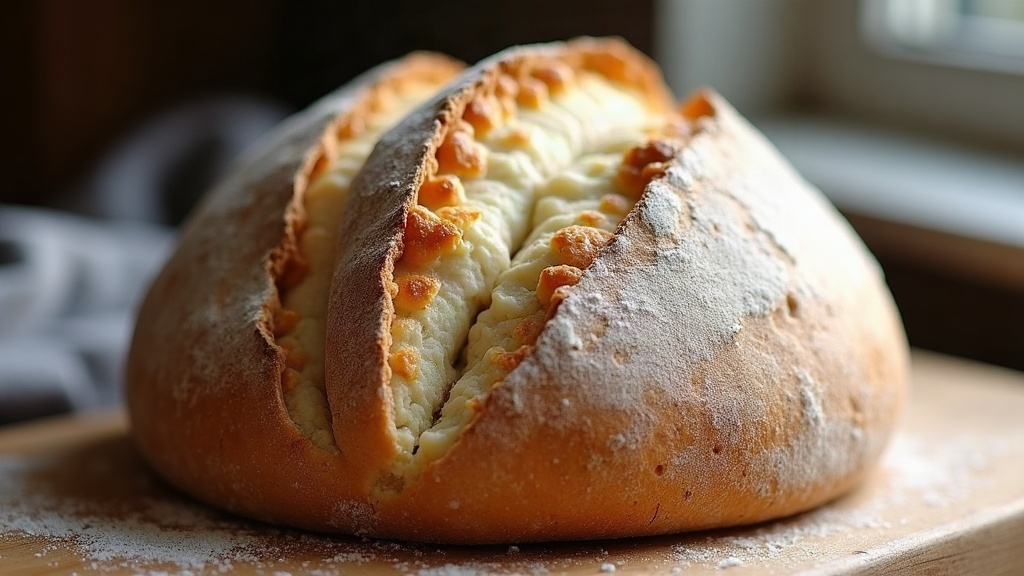
Baking Low-Salt Sourdough Without Losing Structure
Salt does a lot more than season your sourdough. It tightens gluten, slows fermentation, and keeps yeast and bacterial activity in check. Cut it drastically without changing anything else in your process, and you’ll end up with a slack, overproofed, gummy loaf, the kind that spreads flat on the baking stone instead of rising up. The good news is that with the right timing, hydration, and folding technique, you can bake a low-salt sourdough that holds its shape, develops a genuinely crisp crust, and still tastes balanced. Here’s how.
Why Salt Matters So Much in Sourdough
Unlike commercial yeast breads, sourdough runs on a slower, more delicate balance between wild yeast and lactic acid bacteria. Salt does several jobs in that balance at once:
- Strengthens gluten by tightening protein bonds, which helps the dough hold gas and keep its shape.
- Slows fermentation, so the dough doesn’t over-ferment and collapse before it ever hits the oven.
- Controls enzyme activity, keeping starches from breaking down too fast (which is what causes that sticky, gummy texture).
- Regulates water absorption, affecting how slack or firm the dough feels in your hands.
Pull salt out or cut it hard, and two things happen at once: fermentation speeds up and gluten weakens. Each problem makes the other worse.
How Much Salt Counts as “Low-Salt”?
Standard sourdough recipes sit around 1.8-2.2% salt relative to flour weight. For low-sodium baking, here’s roughly where things stand:
- Moderate reduction: 1.0-1.2% salt (noticeable savings, structure still manageable)
- Significant reduction: 0.5-0.8% salt (needs real technique adjustments)
- Salt-free: 0% (doable, but it demands the most support from everything below)
Most home bakers start running into trouble once they drop below 1%. That’s exactly where these techniques earn their keep.
Techniques to Preserve Dough Structure
1. Use a Stiffer, More Mature Starter
A well-fed, genuinely active starter with strong acidity naturally makes up for some of the gluten-tightening you lose. Feed your starter 8-12 hours before mixing, and use it right at peak rise, doubled, domed, not yet sinking back down.
2. Lower Hydration Slightly
Less salt means the dough absorbs more water and feels slacker. Drop hydration by 3-5% from whatever you’d normally use. Baking at 75% usually? Try 70-72% once you cut the salt.
3. Add an Extra Fold or Two
Lamination and extra rounds of stretch-and-fold during bulk rebuild the gluten network that salt would normally help hold together. Plan on 4-5 folds instead of your usual 3, about 30 minutes apart.
4. Shorten Bulk Fermentation Time
Without salt applying the brakes, fermentation just moves faster. Watch the dough, not the clock. Look for a 40-50% rise in volume rather than the 60-75% you might wait for with full salt.
5. Keep Dough Temperature Cooler
Ferment at 72-75°F (22-24°C) rather than pushing past 78°F. Cooler temps slow enzymatic breakdown and buy you more control over timing, essentially standing in for the brake that salt usually provides.
6. Use Cold Retardation
A long, cold overnight proof (38-40°F) in the fridge slows fermentation way down while letting the gluten relax and strengthen at the same time. For low-salt dough that wants to ferment too fast at room temperature, this step alone can save the loaf.
7. Add Vital Wheat Gluten
Below 0.8% salt, mix in 1-2 tablespoons of vital wheat gluten per loaf. It reinforces the structure directly, picking up slack that salt would normally cover.
Shaping Tips for Weaker Dough
- Shape with more tension than you’re used to. Weak gluten needs extra help from your hands during shaping, not less.
- Flour your banneton generously, since low-salt dough tends to run stickier than normal.
- Score deeply and with confidence. Thinner gluten structure means the dough can spread sideways in the oven if the score isn’t decisive enough to direct the expansion upward.
Flavor Compensation Without Salt
Less salt usually means less flavor too, so it’s worth compensating elsewhere:
- Let fermentation run a touch longer for more pronounced sourdough tang
- Fold in herbs, roasted garlic, or seeds for extra complexity
- Lean on a stronger, more sour starter rather than a mild one
- A small splash of vinegar can mimic the flavor-sharpening effect salt normally gives
Common Mistakes to Avoid
- Skipping the extra folds. This is the single biggest reason low-salt loaves end up flat and spread out.
- Over-fermenting because you stuck to your usual timing instead of actually watching the dough.
- Leaving hydration too high, which makes for a sticky, hard-to-shape mess.
- Baking in a too-hot oven without enough structure, so the loaf flattens before the crust has a chance to set.
Conclusion
A low-salt sourdough loaf doesn’t have to come at the cost of structure or flavor. It just asks for a different playbook: tighter hydration, a couple extra folds, cooler fermentation, and more deliberate shaping. Get those right, and you’ll pull a loaf out of the oven that holds its shape, rises the way it should, and still carries that unmistakable sourdough character, even on a fraction of the usual salt.