Fix a Sourdough Loaf That Spreads Sideways After Cold Retard
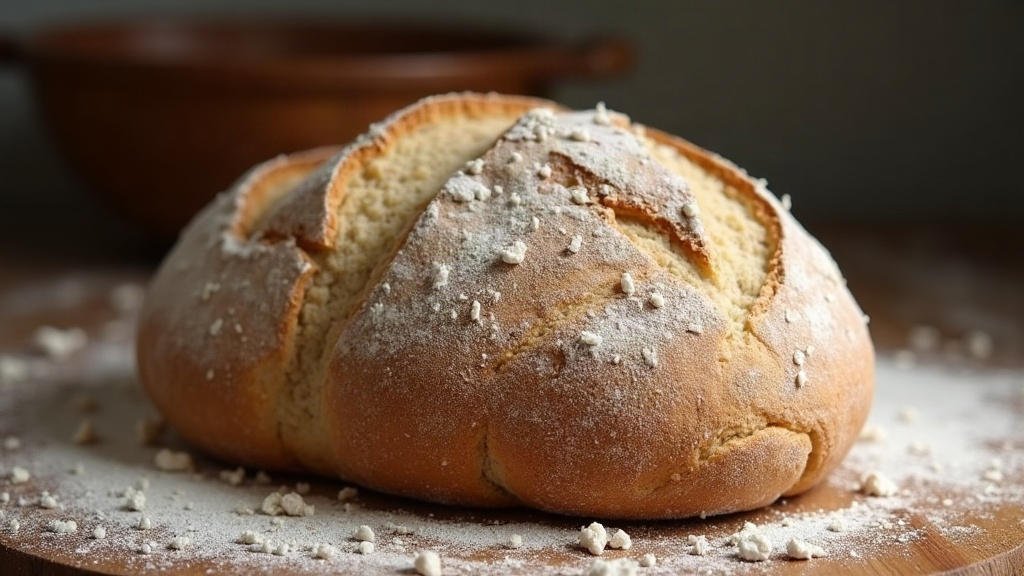
If your loaf comes out of the fridge and spreads sideways into a pancake instead of standing up proud in the oven, it’s almost never bad luck. Nine times out of ten it’s one of three culprits: over-proofed dough, weak gluten, or a starter that wasn’t pulling its weight when you shaped the loaf. The fix is straightforward once you know where to look: retime your bulk ferment, tighten up your shaping, and get your cold retard schedule dialed in. Here’s the full rundown.
Why Sourdough Spreads Instead of Rising
A properly built loaf holds its shape and springs upward the moment it hits the oven. When it spreads sideways instead, the dough simply doesn’t have enough structural backbone left to trap gas and hold its own weight. Usually you’ll find one (or more) of these behind it:
- Over-fermentation (bulk or final proof ran too long)
- Weak gluten development from insufficient mixing or folding
- Under-shaping, leaving the dough loose with no surface tension
- Too much hydration for your flour or where your skills currently are
- A tired starter that’s producing acid but not enough lift
- Cold retard problems, whether it went too long or started at the wrong point
Let’s break down each one.
1. Check Your Bulk Fermentation Timing
Here’s the thing people miss: the fridge doesn’t stop fermentation, it just slows it down. If your dough was already fully fermented (or worse, over-fermented) before it went in, the cold retard isn’t going to save it. It’ll just keep breaking down overnight, quietly.
Fix: End bulk fermentation when the dough has risen 50-75%, feels jiggly but still cohesive, and shows some surface bubbles, not once it’s doubled and domey. Chasing “doubled in size” as your rule of thumb is a classic mistake, and it usually means you’ve gone too far for a decent oven spring.
2. Strengthen Gluten Before Shaping
Weak gluten is probably the single biggest reason a loaf spreads instead of holding its round or oval shape. If your dough tears easily when you stretch it, or won’t hold a windowpane at all, that’s your answer right there.
Fix:
- Do 4-6 sets of stretch-and-folds (or coil folds) during bulk, about 30 minutes apart.
- Time your final folds for when the dough still has some fight in it, not once it’s gone slack and floppy.
- Working with high-hydration flour (75%+)? Drop the hydration by 5% until your technique catches up.
3. Shape With More Tension
Even a perfectly fermented dough will still spread if you under-shape it. Without a tight “skin,” it has nothing holding it together through the cold retard, let alone into the oven.
Fix:
- Use a bench scraper and drag the dough toward you in short strokes to build tension.
- You’re aiming for a smooth, taut top with no visible seams before it goes seam-side-up into the banneton.
- If it’s sticking to your hands and refusing to tighten up, stop fighting it. Rest it 15-20 minutes, then reshape.
4. Reassess Your Starter’s Activity
A sluggish starter will still give you sour flavor, but not the gas production your dough needs. Without that lift, there’s nothing counteracting the spread.
Fix:
- Use starter at true peak, doubled in volume, domed (not sinking yet), full of visible bubbles.
- If it’s been sluggish, feed it 1:1:1 or 1:2:2 twice a day for 2-3 days before your bake.
- Run a float test: drop a spoonful in water. It should float when it’s ready.
5. Adjust the Cold Retard Itself
Leave dough in the fridge too long (past 16-18 hours) or at too warm a temperature (above 40°F/4°C), and it’ll blow past its peak even if it looked perfectly fine going in.
Fix:
- Keep your fridge between 37-39°F (3-4°C) for a slower, more predictable retard.
- Stick to 12-16 hours for most recipes. Only extend it if the dough went in slightly underproofed.
- Bake straight from cold. Don’t let it sit out at room temperature first, that just speeds up late-stage over-proofing right when you don’t want it.
Quick Diagnostic Checklist
Run through this before your next bake:
- Did bulk fermentation stop at 50-75% rise, not doubled?
- Did the dough pass the windowpane test?
- Was the final shape taut, with no visible seams?
- Was your starter at peak, confirmed with a float test?
- Was the fridge at or below 39°F (4°C)?
- Did you bake it straight from cold, no rest beforehand?
Check off all six and spreading shouldn’t be a problem next time around, or at least nowhere near as bad.
Conclusion
A loaf that spreads sideways after a cold retard is telling you exactly where things went off track. It’s rarely random. Pin down your bulk fermentation end point, build real gluten strength through folding and tension shaping, make sure your starter is genuinely active (not just sour), and keep that fridge cold and steady. Work through these one at a time, and your next bake should hold a proud, rounded shape with strong oven spring, not flatten out into a puddle on the stone.