High Altitude Sourdough: Fix a Collapsed Center for Good
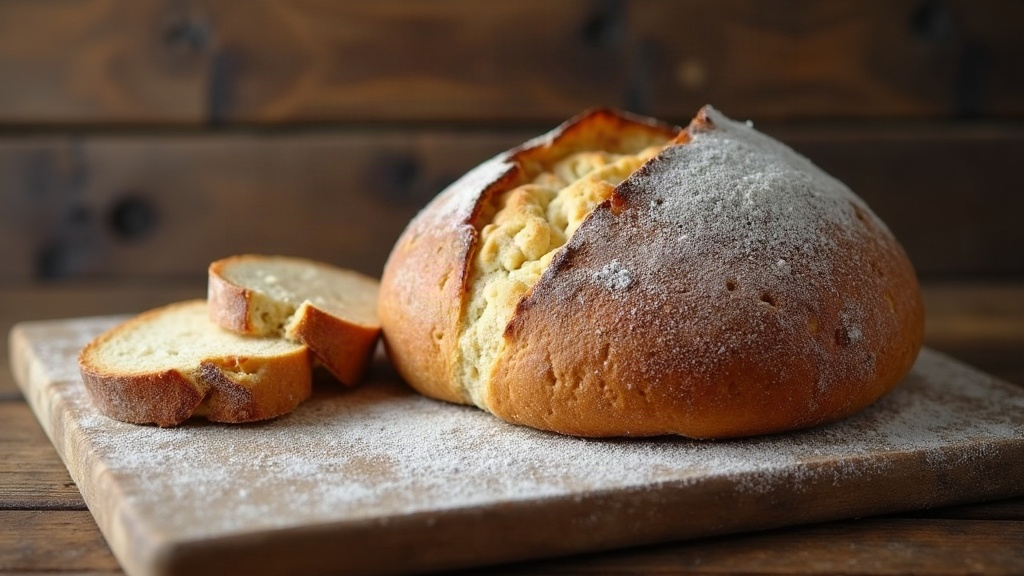
If your sourdough looks gorgeous out of the oven but caves into a dense, gummy trench the second you slice into it, you’re looking at classic high altitude collapse. Almost every time, the cause is over-proofing combined with thinner air, not some flaw in your recipe. Above 3,000 feet, gas bubbles expand faster and bust out of the dough sooner, so the exact same formula that works great at sea level can over-inflate, lose its backbone, and crumple in the oven. You don’t need a special “high altitude recipe.” You need four targeted fixes: hydration, timing, shaping, and oven heat.
Why High Altitude Causes a Collapsed Center
Up in elevation, atmospheric pressure drops, and that hits your bread in three distinct ways:
- Faster gas expansion: lower pressure lets the CO2 from fermentation balloon out more aggressively, inflating the dough quicker than the gluten network can keep up with.
- Quicker evaporation: thin air, often paired with dry climates, pulls moisture off the dough’s surface fast. That can form a tough outer skin that traps steam unevenly on the inside.
- Reduced boiling point: water boils at a lower temperature up there, so the crumb can appear “set” before it’s actually cooked through, leaving a wet, underdone middle that collapses as the loaf cools.
End result: a loaf with dramatic oven spring, standing tall and proud for the first ten minutes, then sinking into a dense, gummy band right through the center.
Step 1: Reduce Hydration Slightly
High hydration doughs (75% and up) are a gamble at altitude, since the weaker gluten structure can’t hold back gas that’s expanding this fast. Cut your hydration by 3-5% from whatever you normally use. Say you bake at 78% normally; try 73-75% instead. It’s a small tweak, but it gives the gluten matrix enough tensile strength to hold its shape through that explosive oven spring phase.
Step 2: Shorten Bulk Fermentation and Watch, Don’t Clock-Watch
This is the number one reason centers collapse: over-fermentation. At altitude, your starter and dough move through fermentation faster even at identical temperatures. A bulk rise that takes 5 hours at sea level might wrap up in 3.5 to 4 hours at 6,000 feet.
- Run the poke test: the dough should spring back slowly, and only partially, leaving a faint indent behind.
- Aim for a 50-75% increase in volume during bulk fermentation, not a full doubling. Doubling at elevation usually means you’ve already blown past the sweet spot.
- Cut your starter inoculation (the ratio of starter to flour) by 20-25%. This slows the whole fermentation timeline down and hands you back some control.
Step 3: Tighten Your Shaping
Sloppy shaping just adds fuel to the over-expansion problem. When you shape:
- Build in more surface tension than feels necessary. Seriously, more than you think.
- Pick a banneton that fits snugly. Too much extra room lets dough spread sideways instead of climbing upward, and that creates weak spots right in the center.
- Think about a slightly longer, colder retard in the fridge (12-16 hours at 38-40°F) to slow things down and firm up the gluten before baking.
Step 4: Adjust Oven Temperature and Bake Time
Since water boils at a lower temperature up high, the crumb can look done well before it’s actually cooked through.
- Bump your oven temperature up 15-25°F from your usual sea-level number (try 475°F instead of 450°F, for instance).
- Add 5-10 minutes to your total bake time, including extra time with the lid off to chase out leftover moisture.
- Check the internal temp with a thermometer. A fully baked sourdough loaf should hit 205-210°F at the center, no matter the elevation.
Quick Reference: High Altitude Adjustments
| Factor | Sea Level | High Altitude Fix |
|---|---|---|
| Hydration | 75-80% | 70-75% |
| Starter amount | 20% | 15% |
| Bulk rise target | Double in volume | 50-75% increase |
| Oven temp | 450°F | 465-475°F |
| Bake time | 45-50 min | 50-60 min |
| Internal temp check | 205°F | 208-210°F |
Other Common Culprits to Rule Out
- Starter too young or weak: a sluggish starter ferments unevenly, leaving pockets of under-proofed dough that collapse later in the bake.
- Oven not fully preheated: at altitude, a Dutch oven needs a solid 45-60 minutes of preheat time to bank enough thermal mass for real oven spring.
- Scoring too shallow: a weak score can’t guide the expansion, so gas pushes out wherever it wants and the crumb structure falls apart.
Conclusion
A collapsed center in high altitude sourdough is almost never about the recipe itself. It comes down to whether your timing and structure can keep pace with faster fermentation and faster gas expansion. Trim the hydration a bit, cut your bulk fermentation short based on what you see (not what the clock says), shape with extra tension, and push your oven temperature and bake time up a notch. Put all four together, and you’ll land on that tall, open, evenly baked crumb you’ve been chasing. No more sunken centers, no matter how high up you’re baking.