Sourdough Brioche with Tangzhong: When to Add Butter
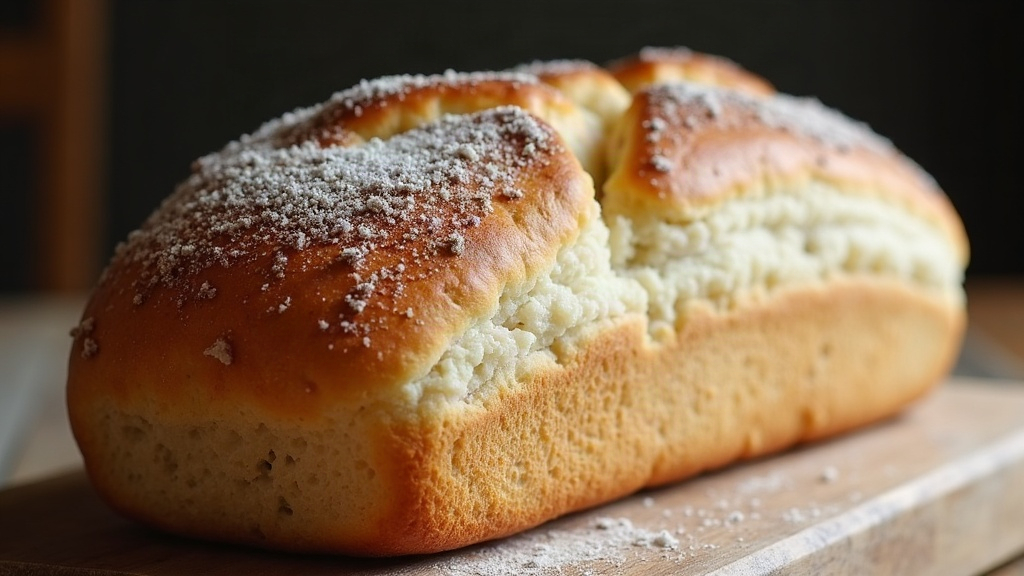
Sourdough Brioche with Tangzhong: Why Butter Timing Makes or Breaks the Crumb
Sourdough brioche with tangzhong gives you the best of both worlds: the tangy depth of natural leavening paired with the tender, pillowy crumb you’d get from a classic milk-bread method. But there’s one step that quietly decides whether your loaf turns out right: when you add the butter. Get this wrong, too early, too late, in one big dump, and you’ll end up with something dense, greasy, or tight in the crumb instead of that pull-apart, shreddable texture brioche is known for. Here’s exactly when and how to work the butter in so your loaf shreds like something from a real bakery counter.
Why Tangzhong Matters for Sourdough Brioche
Tangzhong is a cooked paste of flour and liquid, typically a 1:5 ratio of flour to milk or water, that gelatinizes the starch before it ever touches your mixer. That pre-cooked starch lets the dough hold a lot more hydration without turning slack or sticky on you. In practice, this gets you:
- A softer, springier crumb
- Better moisture retention (your loaf stays fresh 2-3 days longer, no more stale brioche by day two)
- Stronger oven spring, because the gluten network stretches more easily
Pair that with a sourdough starter instead of packaged yeast and you get a subtle tang plus a deeper flavor profile. The tradeoff? A slower fermentation timeline, which makes getting your butter timing right even more important than it would be in a standard yeasted brioche.
The Core Principle: Gluten Before Fat
Butter inhibits gluten. Simple as that. Fat coats the flour proteins and keeps them from linking into strong strands, which is exactly why bakers never toss butter in at the very start of mixing an enriched dough. The rule here is almost annoyingly simple:
Build the gluten structure fully first. Butter comes after.
Dump softened butter in alongside your flour, tangzhong, starter, eggs, and sugar all at once, and the fat starts sabotaging gluten formation from the first minute of mixing. You’ll end up mixing way longer than you should to compensate, which overheats the dough and can kill off some of your starter’s natural leavening power along the way.
Step-by-Step: When to Add Butter
- Mix the base dough first. Combine flour, cooled tangzhong, active sourdough starter, eggs, sugar, and salt (if you can, keep salt separate from the starter at the start). Mix on low-medium speed until you get a rough, shaggy dough.
- Develop gluten to windowpane stage. Keep mixing until the dough passes the windowpane test: stretch a small piece between your fingers and it should go thin and translucent without tearing. In a stand mixer, this usually takes 10 to 15 minutes.
- Add butter gradually, in stages. Once the gluten’s developed, work in softened (not melted) butter in 3-4 small additions, letting each one fully absorb before the next goes in. Budget another 8 to 12 minutes for this.
- Check for “slap and fold” smoothness. The dough should turn glossy and smooth and start pulling cleanly away from the bowl. That’s your signal gluten and fat have properly come together.
Why This Order Produces a Shreddable Crumb
Fold butter in after gluten is already developed and the fat simply lubricates strands that already exist, instead of blocking them from forming in the first place. That gives you thin, elastic sheets of gluten coated in fat, which is literally the structure responsible for that signature brioche shred. Mess up the order and here’s what happens instead:
- Butter too early → dense, cakey crumb that tears rather than shreds
- Butter too late (after bulk fermentation) → uneven fat pockets, greasy spots, weak rise
Temperature Matters Too
Sourdough fermentation is sensitive to temperature, and butter incorporation is no different:
- Keep butter at 60-65°F (15-18°C), soft enough to smear with a finger but nowhere near melted
- Kitchen running warm? Chill the mixing bowl between butter additions to keep things from overheating
- Overheated dough during this stage can trigger premature gluten breakdown, which weakens the whole structure before baking even starts
Troubleshooting Common Issues
- Dense crumb even though your timing was right? Your gluten probably wasn’t fully developed before the butter went in. Give it more mixing time next round before adding fat.
- Greasy or oily loaf? The butter was too warm, or you added it too fast in chunks that were too big.
- Weak oven spring? Letting bulk fermentation run too long after butter goes in can overproof these delicate enriched sourdoughs fast. Watch the volume of the dough, not the clock.
Final Thoughts
There’s no secret ingredient behind a shreddable, bakery-style sourdough tangzhong brioche. It’s sequencing, plain and simple. Build full gluten strength first, then fold in softened butter gradually once that structure is locked in. Get the order right, keep an eye on dough temperature, and you’ll turn out brioche that pulls apart in soft, glossy ribbons every time you bake it.