Sourdough Starter Maintenance at High Altitude: Feeding Ratios
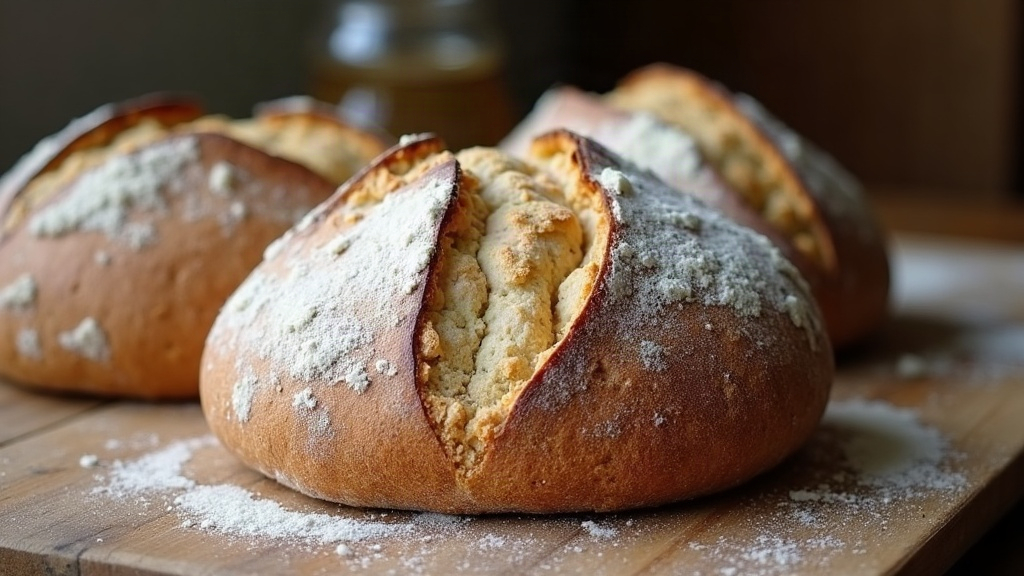
If your starter doubles in two hours, deflates before you’ve had coffee, or smells like vinegar right after a fresh feed, chances are you’re baking somewhere above 3,000 feet. Elevation changes air pressure and oxygen availability, and that speeds up yeast activity and fermentation more than most recipes account for. You don’t need a special starter to fix this. You need to adjust your feeding ratio, hydration, and timing so things slow down and your culture stays in balance.
Why Altitude Speeds Up Fermentation
Lower atmospheric pressure up high means less resistance against the gases your fermentation produces (mostly CO2). Dough and starters rise faster, with bigger bubbles, but the yeast and bacteria inside burn through their food supply much quicker too. That leads to a handful of familiar headaches:
- A rapid rise that collapses just as fast
- A sharp, acidic smell, more vinegar than the usual yeasty tang
- A watery, hungry-looking starter with a layer of “hooch” showing up within hours
- Weaker gluten in the finished bread, thanks to over-fermentation
Basically, your starter is running out of food and oxygen balance faster than it would at sea level. Standard feeding schedules, something like 1:1:1, just can’t keep up.
The Fix: Adjust Your Feeding Ratio
At sea level, most bakers use a 1:1:1 ratio (equal parts starter, flour, and water by weight). At altitude, though, you want to feed your starter more food relative to its size. That dilutes the yeast population and slows consumption, which buys you a more stable, predictable fermentation window.
Try scaling up to:
- 1:2:2 for moderate altitude (3,000–6,000 ft) or a warm kitchen
- 1:3:3 or even 1:4:4 for higher elevations (6,000+ ft), or for a starter so active it peaks in under four hours
Example: say you normally feed 20g starter + 20g flour + 20g water. At a 1:3:3 ratio, that becomes 20g starter + 60g flour + 60g water. You’re giving the same amount of starter a lot more flour to chew through, which means it takes longer to exhaust its food and tip into overly acidic territory.
Other Adjustments That Help
Use Cooler Water
Mix your feed with water around 65–70°F (18–21°C), cool but not cold. This slows enzyme activity just enough to stretch out the rise without stalling it completely.
Feed More Often, in Smaller Increases
Instead of one big feed a day, try two smaller feeds spaced 8 to 12 hours apart. This keeps the starter from overshooting its peak and crashing while you’re asleep or out of the house.
Refrigerate Between Bakes
Not baking every day? Keep the starter in the fridge and feed it once a week. Cold slows fermentation dramatically, no matter what altitude you’re at, and it gives you a lot more control over timing.
Lower the Starter Percentage in Your Dough Recipe
A lot of high-altitude bakers also cut back the amount of starter in their final dough, dropping to 10-15% instead of the usual 20%. That keeps the bulk rise from racing ahead of itself.
How to Know You’ve Got the Ratio Right
A properly fed starter at altitude should:
- Peak (roughly double) in 4 to 6 hours at room temperature, not 1 to 2
- Smell pleasantly tangy rather than sharply sour or like nail polish remover
- Hold its peak for at least 30 to 60 minutes before sinking back down
- Show an even, honeycomb pattern of bubbles when you hold it up to the light in a clear jar
Still moving too fast after you’ve switched to 1:3:3? Go higher, try 1:5:5, or split your feeds into smaller twice-daily portions. Every kitchen is its own little ecosystem (flour type, ambient temperature, actual elevation), so treat these numbers as a starting point rather than gospel.
Quick Troubleshooting Table
| Symptom | Likely Cause | Fix |
|---|---|---|
| Doubles in under 2 hours | Too little food | Increase ratio to 1:3:3 or 1:4:4 |
| Hooch forms within hours | Starter is starving | Feed more often or increase flour |
| Sharp vinegar smell | Over-fermented | Use cooler water, feed sooner |
| Weak rise despite fast activity | Gluten overworked by excess acid | Reduce starter % in final dough |
Final Thoughts
High-altitude sourdough isn’t harder, it just runs on a faster clock. Bump up your feeding ratio (from 1:1:1 toward 1:3:3 or beyond), use cooler water, and feed a bit more often, and you can bring fermentation down to a pace you can actually plan around. Keep a quick log of your ratios and rise times for a week or two. You’ll land on the exact routine that keeps your starter, and your bread, reliably good.