Stiff Sweet Starters for Sourdough Brioche: Baker’s Guide
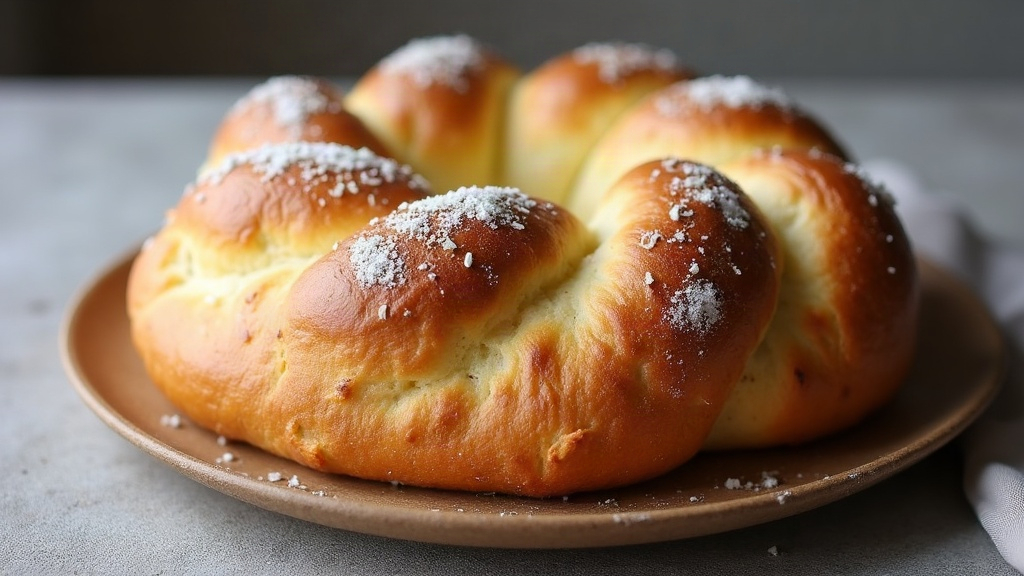
A stiff sweet starter for sourdough brioche is a low-hydration levain fed with flour, water, and a touch of sugar. The goal is mildness and strength, something reliable enough to work inside a dough loaded with butter, eggs, milk, and sugar. A loose, tangy starter just isn’t built for that job. It can push brioche toward a sour edge and even undermine the soft, delicate crumb you’re after.
What Is a Stiff Sweet Starter?
Think 50 to 60 percent hydration, give or take. That’s a lot more flour than water by weight, which is what makes it “stiff” in the first place.
Here’s a typical refreshment:
- 20 grams ripe sourdough starter
- 50 grams bread flour
- 25 grams water
- 5 grams sugar
It should feel firm, almost like a small ball of dough you could knead, not something you’d pour. Plenty of bakers actually roll it into a ball or a short cylinder before setting it to ferment.
The sugar isn’t there to make the starter taste sweet, that’s not really the point. It’s more about training the yeast population to handle an enriched environment. Butter, egg yolks, and sugar all slow fermentation down in brioche dough. A starter that’s already used to sugar and a richer feed adapts better once it hits the real dough.
Why Brioche Benefits From a Stiff Sweet Levain
A standard liquid starter can make fantastic bread, no argument there. But for brioche, it’s often not the right tool. Liquid starters tend to build up acidity faster, especially once they’ve gone a bit too long between feedings.
That extra acidity causes real problems in an enriched dough:
- A sour note that fights with the buttery flavor
- Sluggish fermentation once fat enters the picture
- Gluten that breaks down over a long proof
- A denser, tighter crumb instead of that feathery pull-apart texture
A stiff sweet levain ferments more slowly and stays milder overall. Fed regularly and used right at its peak, it adds just a whisper of complexity in the background, leaving butter, eggs, and vanilla to do the talking.
How to Convert a Regular Starter
No need to keep a whole separate culture just for brioche. A healthy starter you already have can be nudged into stiff-sweet mode over a handful of feedings.
Start With a Strong, Recently Fed Culture
You want an active starter, one that smells pleasantly tangy and reliably doubles after feeding. If yours smells like nail polish remover, vinegar, or old cheese, give it a day or two of regular feeding first. Don’t skip this step; a weak starter converts poorly.
Feed It Stiff and Sweet
Run three to five refreshments using something like:
- 1 part ripe starter
- 2.5 parts bread flour
- 1.25 parts water
- 0.1 to 0.25 parts sugar
That 1:2.5:1.25 ratio lands you around 50 percent hydration. If your starter’s been especially sour, go bigger, say 1:4:2, to dilute the acid buildup faster.
Keep it warm, somewhere around 78 to 82°F (26 to 28°C). At that temperature it can take four to six hours to noticeably expand, though your flour, room temperature, and the starter’s own vigor will all shift that timing.
Knowing When the Starter Is Ready
Don’t expect a dramatic doubling the way you’d see with a liquid starter. Stiff starters rise more modestly, so check for a few different signs rather than just watching the volume.
A mature starter should:
- Expand somewhere around 50 to 100 percent
- Feel aerated and a little springy when you press it
- Have a rounded top, maybe with a light crack or two
- Smell milky, fruity, or faintly yeasty, not sharp or vinegary
- Show a network of small bubbles when you tear it open
Use it right at peak, or just before. Past that point it starts to collapse, smell harsh, or turn sticky and slack. If that happens, just refresh it again rather than pushing ahead with brioche dough.
How Much Starter to Use in Brioche
Most sourdough brioche recipes call for a levain that’s 15 to 25 percent of total flour weight. Where exactly you land depends on your schedule, dough temperature, and how long you want proofing to take.
Say your dough uses 500 grams of total flour. A levain built from 75 to 100 grams of that flour is a solid starting point.
Because brioche is so enriched, bulk fermentation runs longer than it would for a lean sourdough loaf. At 76°F (24°C), expect four to six hours before the dough goes into the fridge, then an overnight rest. The following day, shaped brioche often needs another four to eight hours to proof properly.
Resist the urge to add more starter to speed things up. Extra levain just means extra acidity, and that makes timing harder to nail, not easier.
Practical Tips for Better Sourdough Brioche
Use Strong Flour
Bread flour with moderate to high protein gives the dough the backbone it needs to hold all that butter and egg. If your dough keeps spreading out or tearing during mixing, weak flour is a likely culprit.
Develop Gluten Before Adding Butter
Mix the flour, liquids, eggs, sugar, and levain first, and let the dough build some strength before butter enters the picture. Add softened butter gradually, a spoonful at a time, and only once the dough can stretch without tearing immediately.
Watch Dough Temperature
Butter heats up fast during mixing, faster than most people expect. Aim to finish around 75 to 78°F (24 to 26°C). Let it run too warm and the dough turns greasy, slack, and a nightmare to shape.
Keep the Starter Mild
For the cleanest flavor, refresh your stiff sweet starter once or even twice on bake day itself. This little bit of extra effort really pays off with highly enriched doughs, think cinnamon rolls, panettone-style breads, or a classic brioche loaf.
Conclusion
A stiff sweet starter gives sourdough brioche exactly what enriched dough needs: lift, mildness, and enough resilience to hold up through a long ferment. Keep the levain firm, feed it consistently, and use it right at peak maturity, and you’ll end up with brioche that has a tender crumb, rich buttery flavor, and a fermentation character that stays gentle rather than sharp.