Barley Malt Syrup in Sourdough Pretzels for a Darker, Chewier Crust
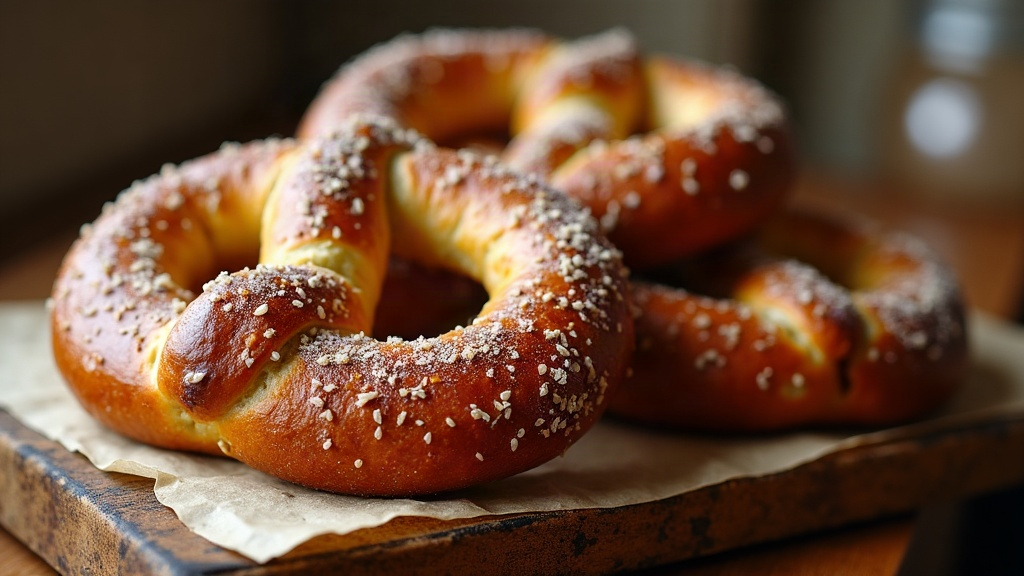
If you’ve ever bitten into a bakery-style sourdough pretzel and wondered why the crust comes out so glossy, dark, and chewy in just the right way, the answer is usually barley malt syrup. A small amount of this thick, molasses-like syrup in your dough changes both the color and the texture of the finished crust. You get that classic pretzel-shop look and bite without a commercial oven, and without touching a lye bath.
What Is Barley Malt Syrup and Why Use It in Pretzels?
Barley malt syrup comes from sprouted barley that’s dried, mashed, and cooked down into a thick syrup. It contains natural enzymes (deactivated by heat if it’s the non-diastatic kind) and complex sugars that behave very differently from white sugar or honey once they hit the dough.
For pretzels, barley malt syrup does three things worth caring about:
- Deepens crust color through stronger Maillard browning
- Improves chewiness by changing how sugar and protein interact in the dough
- Adds a subtle malty, almost nutty flavor that plays nicely against sourdough’s tang
Unlike diastatic malt powder, which boosts yeast activity and dough extensibility, the barley malt syrup used in pretzel-making is almost always the non-diastatic kind. It’s there for color and flavor, not to speed up fermentation.
Diastatic vs. Non-Diastatic: Which One to Use
This trips up a lot of home bakers, so let’s clear it up.
- Non-diastatic malt syrup: no active enzymes, safe to use in pretty much any amount for color and flavor. This is the one you want for pretzel crust.
- Diastatic malt syrup/powder: contains active enzymes that break starches down into sugars. Overuse can soften your dough too much, especially during a long sourdough ferment.
If a recipe just says “malt syrup” with no further detail, assume non-diastatic, unless you’re doing a long cold retard. Sourdough already has plenty of enzymatic activity from wild yeast and bacteria; stacking diastatic malt on top of that can leave you with a slack, sticky mess instead of dough.
How to Use Barley Malt Syrup in the Pretzel Process
There are really two spots in a sourdough pretzel recipe where malt syrup earns its keep.
1. In the Dough
Mix in 1 to 2 tablespoons of barley malt syrup per 500g of flour when you’re putting the dough together. This adds flavor depth and gives the crust a head start on color, even before the pretzels hit the boiling water.
2. In the Baking Soda (or Lye) Bath
This is where most of the magic actually happens. Traditional pretzels get their signature crust from a quick dip in food-grade lye, but most home kitchens use a baking soda bath instead. Add 1 tablespoon of barley malt syrup per quart of water to that bath and here’s what happens:
- The Maillard reaction kicks into a higher gear
- You get a shiny, dark mahogany-brown crust
- The exterior picks up a faint malty sweetness
Basic bath ratio:
- 1 quart water
- ¼ cup baking soda
- 1 tablespoon barley malt syrup
- Bring to a gentle simmer, dip pretzels for 20 to 30 seconds per side
Why Chewiness Improves
That satisfying chew comes from a thin, dense gluten-starch layer that forms during the alkaline bath and the high-heat bake that follows. Barley malt’s sugars caramelize faster than plain table sugar, which builds a shell that’s slightly crisp at first and then settles into chewy once it cools. It’s the same basic principle behind bagels getting their chew from a sugar or honey boil.
Sourdough adds its own layer to this. The organic acids produced during fermentation strengthen the gluten network, so a well-fermented sourdough base combined with a malt-boosted bath gives you a crust that’s exceptionally chewy and sturdy enough to hold pretzel salt, seeds, or whatever else you want to pile on top.
Common Mistakes to Avoid
- Overdoing the malt syrup in the bath. More than 1 to 2 tablespoons per quart and your pretzels can turn bitter or get too dark before the inside finishes baking.
- Skipping the rest period. Let shaped pretzels sit for a bit (a short stint in the fridge works well) before boiling. It firms up the surface and makes for a cleaner dip.
- Boiling too long. Push past 45 seconds a side and the crust turns tough instead of chewy.
Final Tips for Best Results
- Bake hot, 450 to 475°F, for a relatively short time so the color locks in before the malt sugars start to burn
- Only bother with an egg wash if you want extra shine. The malt bath alone usually gives you plenty of gloss on its own.
- Leave baked pretzels uncovered for the first hour. This keeps the crust crisp before you seal them up for storage.
Conclusion
Barley malt syrup is a small ingredient with an outsized payoff for anyone chasing that dark, glossy, chewy sourdough pretzel crust. Use it right, a touch in the dough for flavor, more in the baking soda bath for color and texture, and you’ll get bakery-quality results out of a home kitchen. No lye required.